

Putuo Mountain
A famous Buddhist mountain in China-Putuo Mountain
The products here will bring you good luck
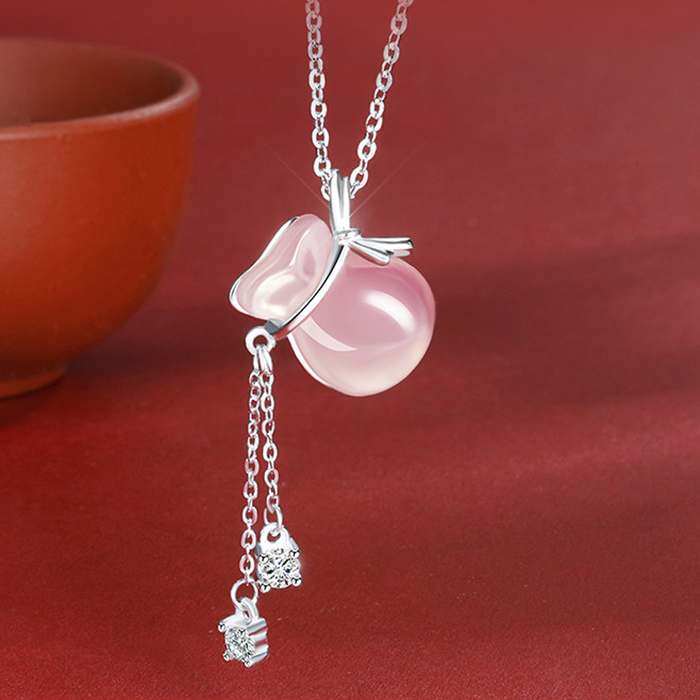
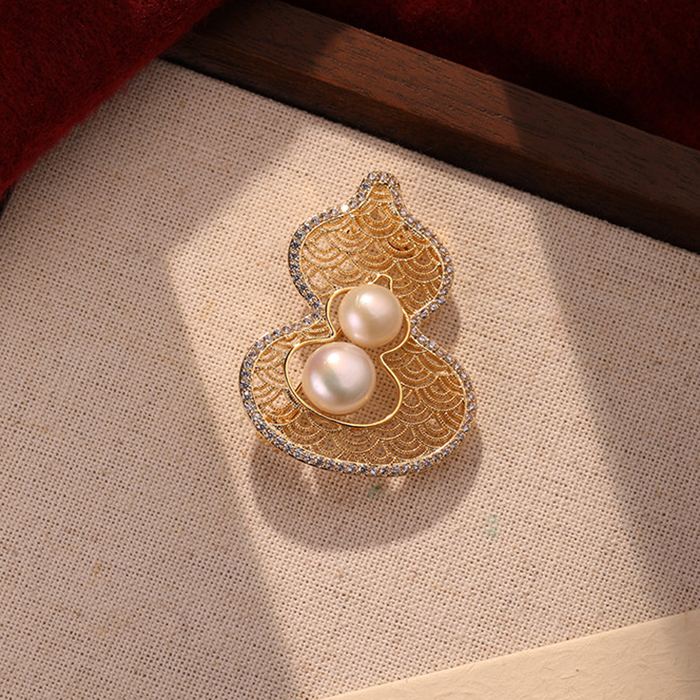
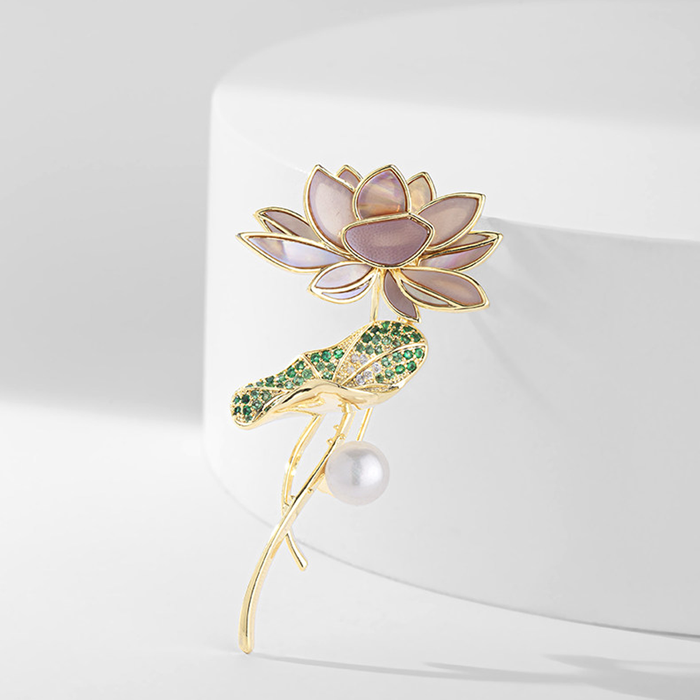
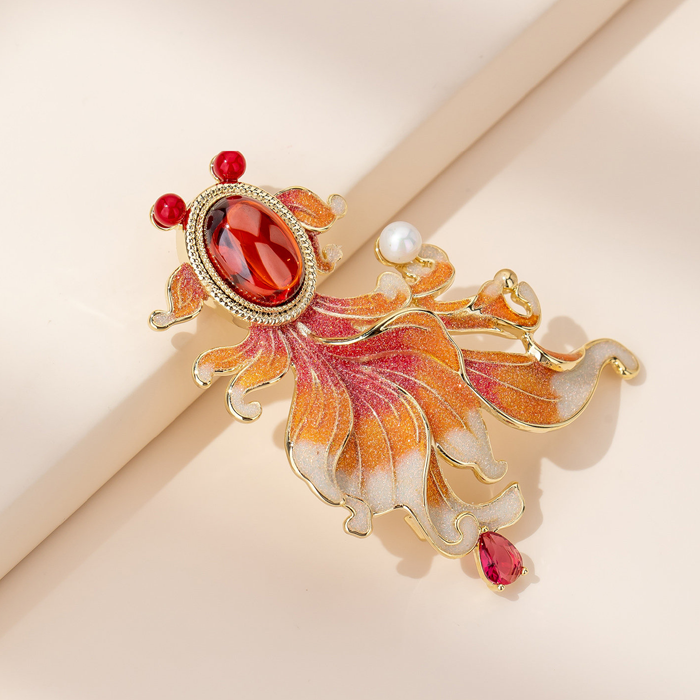
LUCKY EAST is the first to introduce blessing jewelry "blessed" by Chinese temples.These pieces of jewelry will be your best gifts
In addition to the advantages of the Chinese supply chain, we also have more competitive capabilities
We are not traditional traders, but come from Tongcheng Travel, a large Chinese Internet company
In addition to regular trade cooperation, we are more willing to share the LUCKY EAST brand cultivation market
We have the ability to gain insights into Chinese cultural ips and have in-depth cooperation with industry clients
We strictly adhere to the concept of Ultimate China, and all our products feature Oriental aesthetic designs
We have already achieved revenue in China through AI services and will build or empower brands with our capabilities
We have experienced the entire process of creating consumer brands in China, so we know better how to create brands
We will share more cultural content about China here to help you understand Chinese culture better
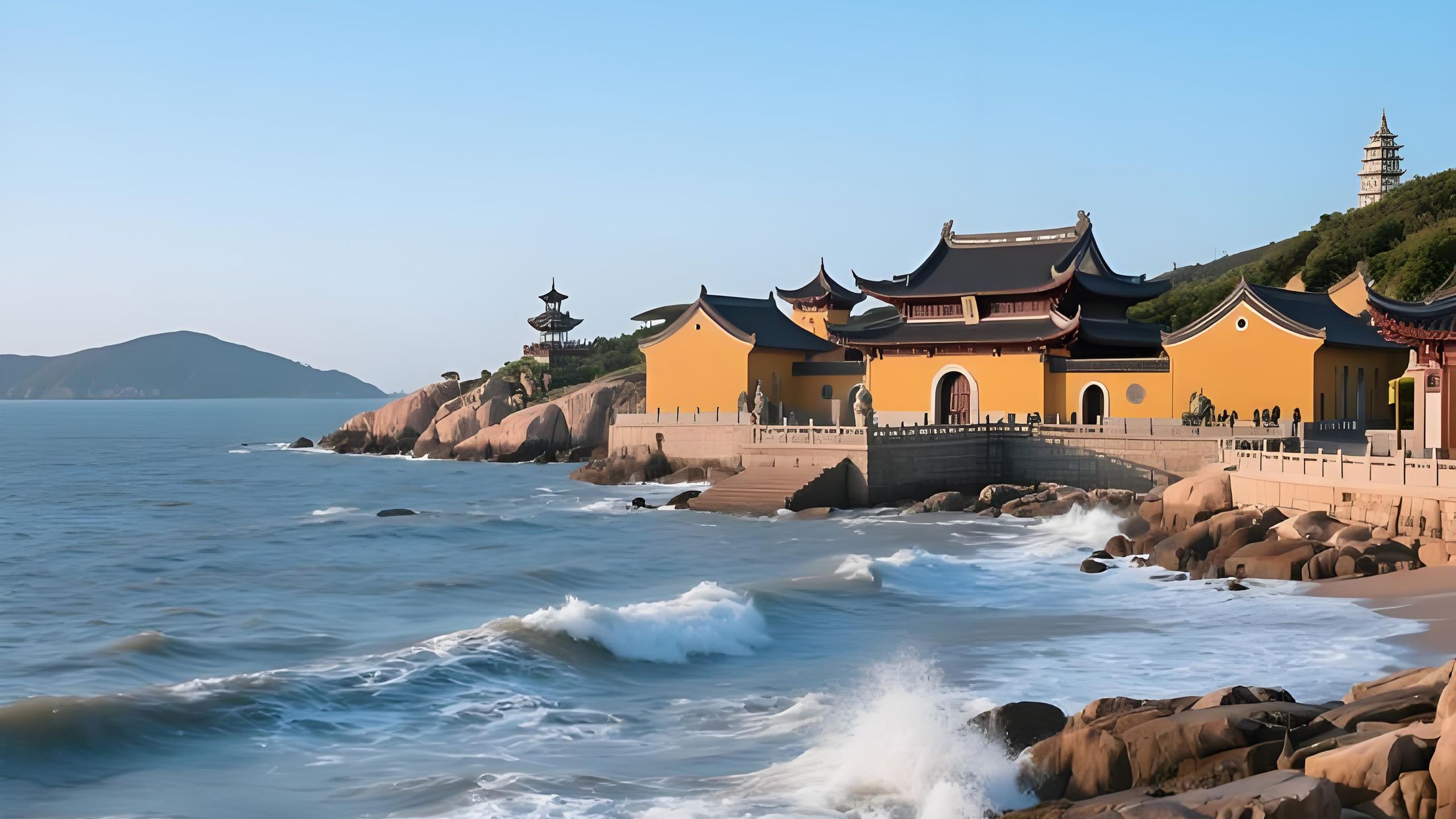
A famous Buddhist mountain in China-Putuo Mountain

A famous Buddhist mountain in China-Wutai Mountain
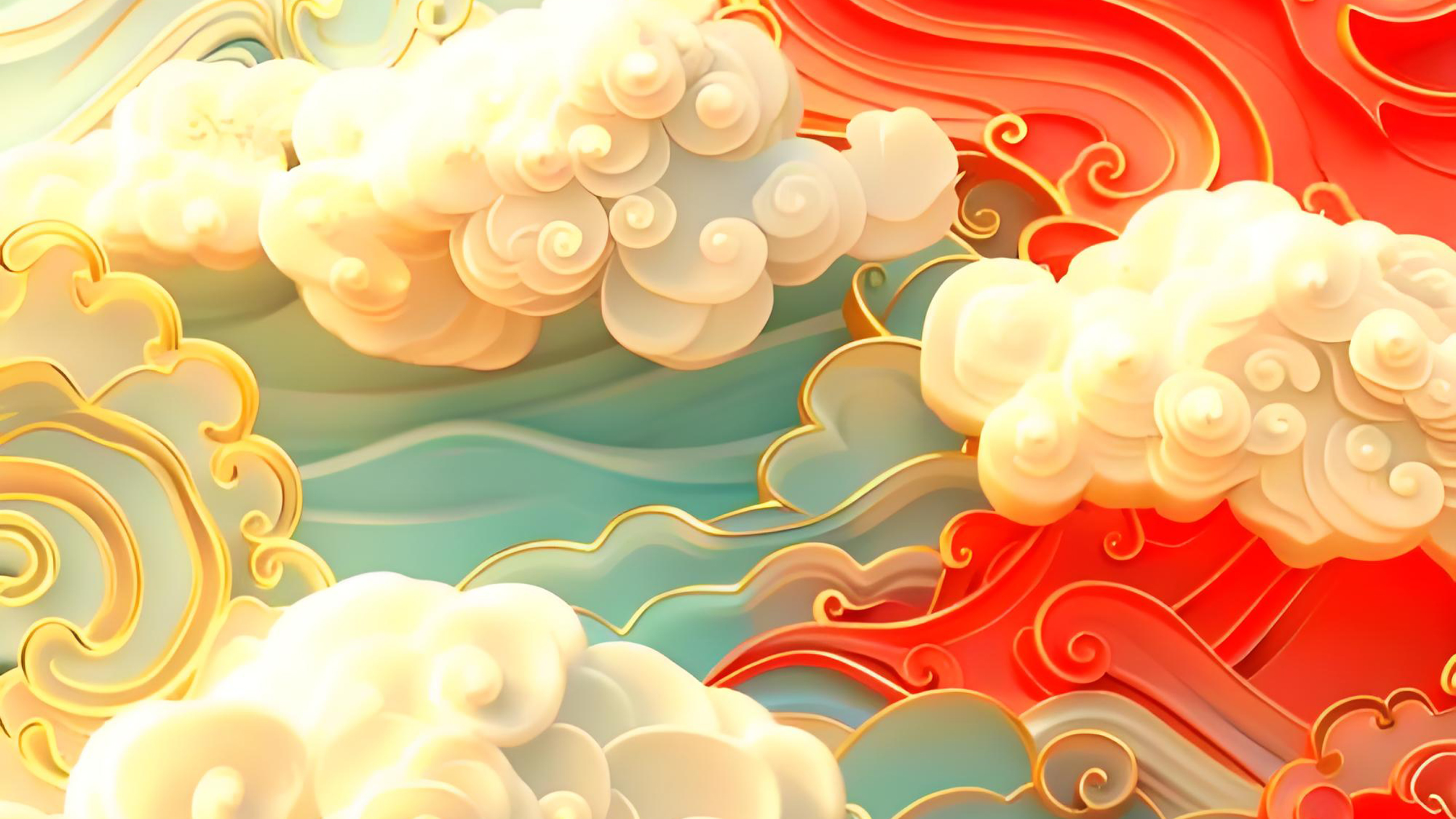
Chinese Traditional Cultural Symbol - Auspicious Clouds (Detailed Introduction)
Before cooperating with us, please understand the answers to the following questions
Basic Etiquette for Visiting Chinese Buddhist Temples A simple guide to incense offering, blessing, and common practices
1. Basic Temple Etiquette Dress: Wear clean, modest clothes. Avoid sleeveless tops, short skirts, shorts, slippers, or heavy makeup. Entrance: Use the side doors (the main gate is usually for monastics). Step over the threshold without stepping on it. Walking: Walk clockwise around the main hall. Do not walk backward, cut across others, or stand in front of worshippers. Behavior: Speak quietly, no loud laughter. Do not point at Buddha statues or take photos without permission. Donation: You may offer money to the merit box as you wish.
2. Incense Offering Procedure Requesting Incense We say “request incense” rather than “buy incense”.
3 sticks are traditional: representing Buddha, Dharma, and Sangha. Many temples provide free incense; large or expensive incense is not required.
Lighting Incense
Hold incense with your left hand (considered cleaner in tradition).
After lighting, do not blow out the flame — fan it gently or shake it out.
Hold incense at eyebrow level, palms together respectfully.
Placing Incense
First stick: middle — for Buddha
Second stick: right — for Dharma
Third stick: left — for Sangha
Place them straight, about one finger apart.
Paying Respect
Step back, stand quietly with palms together.
Bow or worship inside the hall afterward.
3. Bowing & Worshipping
Kneel on the cushion, palms together.
Raise hands above head → near mouth (for wishes) → over heart → palms up, then bow. When finished, step back before turning away.
4. Blessing (Empowerment)
Terms: Buddha images are “consecrated”; personal items receive “blessing/empowerment”.
How:
Prepare clean items (amulets, jewelry, etc.).
Go to the temple’s prayer area or service counter.
Make a voluntary donation.
Monks will chant scriptures and bless the items.
Keep blessed items respectfully.
5. Important Taboos
Do not burn huge amounts of incense.
No smoking, eating, or lying down in the hall.
Do not step on thresholds or kneeling cushions.
Do not disrespect Buddha images, monks, or rituals.
Simple Reminder 3 sticks, left hand, no blowing, middle → right → left, clockwise, sincere respect.
Chinese Traditional Auspicious Symbols
Auspicious Beasts
Dragon: Authority, good fortune, power Phoenix: Good luck, nobility, harmony Qilin: Peace, blessings, benevolence Koi Fish: Good luck, abundance, surplus year after year Bat: Blessings arrive (homophony for good fortune) Deer: Prosperity, wealth, longevityPatterns
Auspicious Clouds: Good luck, peace, promotion
Ruyi Pattern: May everything go smoothly Endless Knot: Eternity, continuous blessings Meander Pattern: Everlasting good fortune Swastika Pattern: Ten thousand blessings, long lifePlants & Flowers
Peony: Wealth, prosperity, nobility
Lotus: Purity, peace, good fortune
Plum Blossom: Resilience, five blessings
Bamboo: Peace, steady growth and success
Chrysanthemum: Longevity, elegance
Pomegranate: Fertility, many children and blessings
Characters & Symbols
Fu (Blessing): Happiness, good luck
Double Xi (Double Happiness): Joy for weddings and celebrations
Shou (Longevity): Health and long life
Lu (Prosperity): Wealth, success
Chinese Knot: Reunion, good luck, connection
Artifacts & Culture
Jade Pendant: Peace, noble character
Ruyi: Fulfillment, good fortune
Ancient Copper Coin: Wealth
Fan: Wisdom, grace
Lantern: Brightness, celebration
Color Symbols
Chinese Red: Joy, good luck, protection
Blue and White: Elegance, oriental aesthetics
Glazed Yellow: Nobility, prosperity
The first country we choose is Malaysia. If there is a need in Europe and America, we can cooperate through our partners in Malaysia.
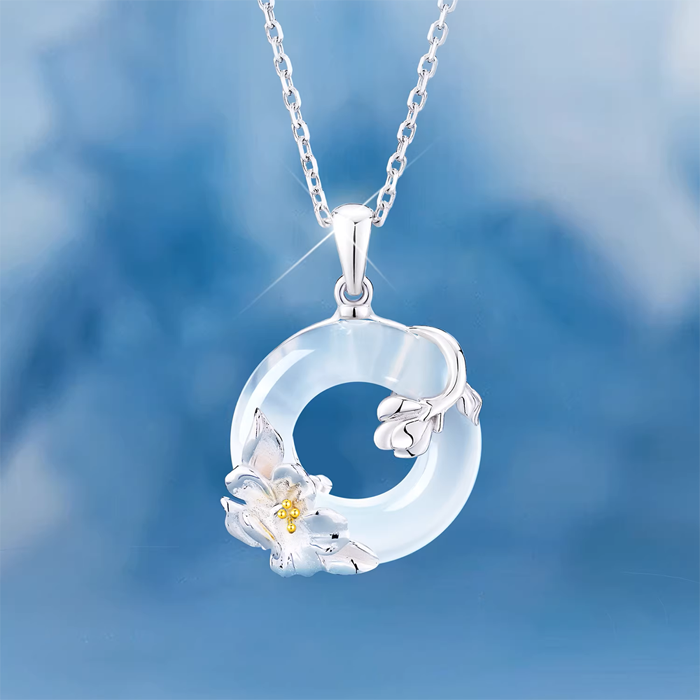
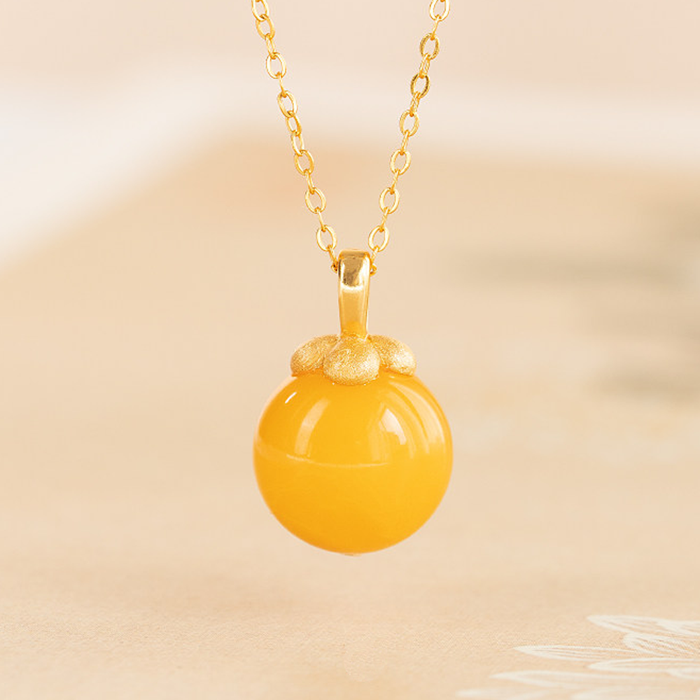
The first batch of jewelry products we offer are made of materials such as textiles, jade, crystal, Nanhong, beeswax, agate, Bodhi beads, as well as accessories like S925 silver and rope weaving
Our main clients are jewelry groups, gift companies and individual entrepreneurs. Besides regular trade cooperation, we also offer services related to brands and AI
Our minimum MOQ is no more than 50 pieces. We support mixed combinations and are available in both bagged and gift packaging. Logistics will be provided by international express delivery (DHL/UPS/FedEx/ SF International). Malaysia (West) will arrive within 7 days after receiving the order